
“Met at Lancaster, Pennsylvania following the hurried evacuation from Philadelphia”
- Journals of the Continental Congress, Volume 8 Saturday, September 27th, 1777
A Brief History
After the American defeat at Brandywine on September 11, 1777, British forces pushed toward Philadelphia, then the seat of the Continental Congress. By September 26, the British entered and occupied the city, forcing Congress and other Patriot officials to flee west rather than risk capture. The flight turned Lancaster into a temporary refuge for the revolutionary government at one of the war’s most precarious moments.
Lancaster was not merely a hiding place; it was also a practical supply center. A few days earlier, on September 23, 1777, George Washington wrote to John Hancock urgently asking that any available “Shoes & Blankets” in Lancaster or the surrounding countryside be gathered for the army, noting that he had heard there were especially large quantities of shoes there. That request captures Lancaster’s wartime importance: a place of craftsmen, merchants, farms, roads, and stores of goods that could support the Continental cause.
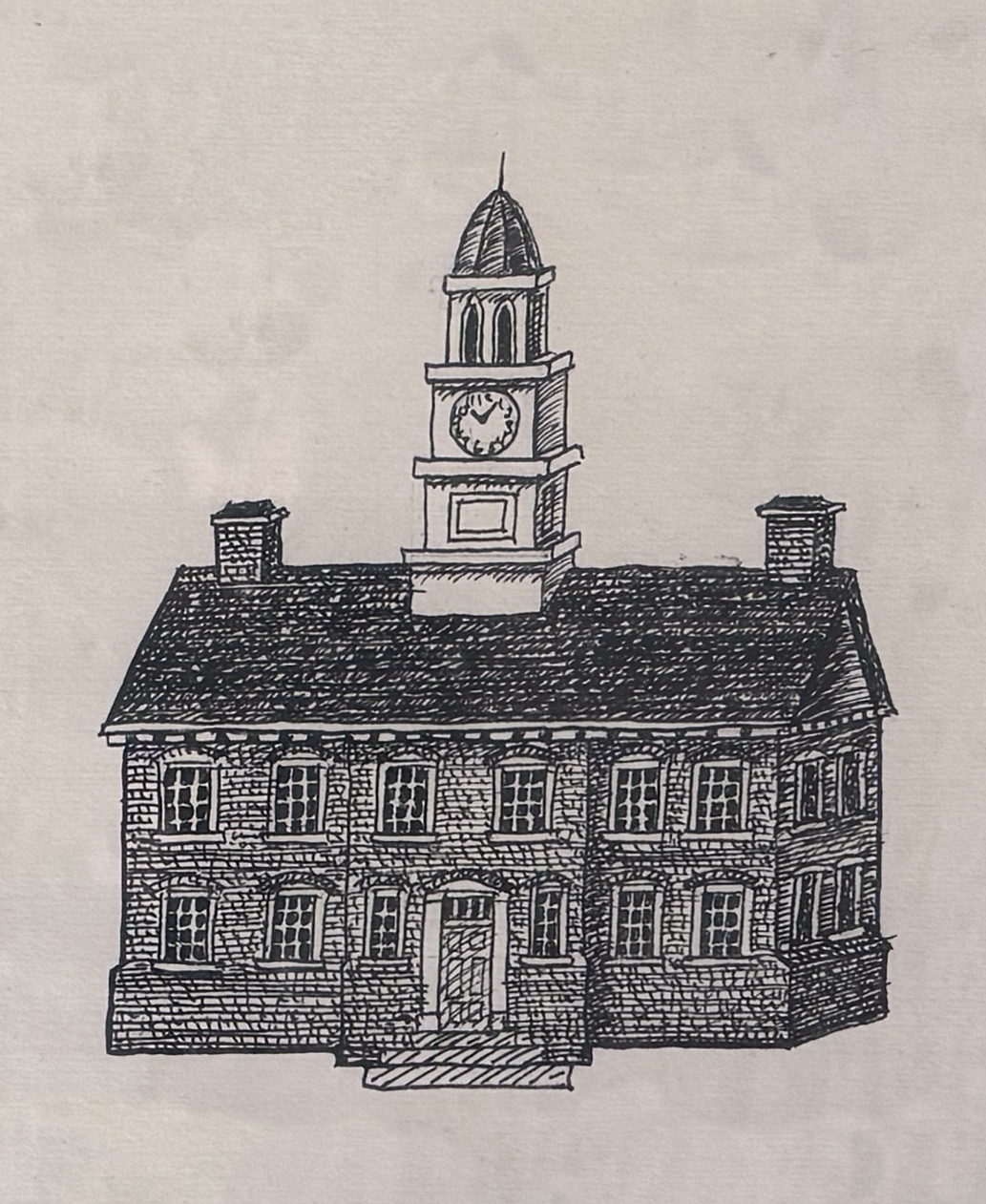
On September 27, 1777, Congress convened in Lancaster’s courthouse, located in the square at the center of town—today’s Penn Square. That single session made Lancaster, for one day, the capital of the United States. But the delegates did not consider Lancaster secure enough for a longer stay. At the end of the day, they resolved to adjourn across the Susquehanna River to York, where they would meet the following Tuesday, placing the river between themselves and the British army and giving the revolutionary government greater protection.
History & Culture On Stage
From 1681 to 2026 in 7 hours.
The organizing principal of Lancaster Capital Day is that history never stops. From the signing of William Penn's Charter in 1681 and the Declaration of Independence in 1776 to more recent events that continue to be felt in countless ways, the people of Lancaster, PA have played a unique role in American History.
Our vision for Capital Day is to shine a light on Lancaster's role in American culture, highlighting the individuals and ideas that have led us to where where we are today. With a century passing every 2 hours on stage, you will have a chance to experience some of our nation's key events:
1681 [10:05am] — Signing of William Penn's Charter
The Commonwealth of Pennsylvania was founded with the signing of William Penn's Charter, a groundbreaking document pointing toward a future of religious tolerance and self-governance
1730 [11:00am] — Founding of Lancaster City
Lancaster City was established as Pennsylvania expanded westward, becoming the Continental United State's largest inland community withing just 50 years, known as a vital agricultural, commercial, and civic hub for the entire mid-Atlantic region.
1777 [12:00pm] — Lancaster City as U.S. Capital for one day
On September 27, 1777, the Continental Congress met in Lancaster, making the city the temporary capital of the United States during the Revolutionary struggle for self-rule.
1857 [1:16pm] — Inauguration of James Buchanan
Lancaster County native James Buchanan was inaugurated as President of the United States as the nation moved toward the constitutional and moral crisis of the Civil War.
1863 [1:24pm] — Gettysburg & Emancipation Proclamation
As the Battle of Battle of Gettysburg turned the tide of the Civil War just beyond Lancaster County, President Abraham Lincoln’s Emancipation Proclamation transformed the conflict into a defining struggle for union, liberty, and the abolition of slavery. Local abolitionist leaders, including Thaddeus Stevens, helped advance the cause of equality.
1920's [2:52pm] — Prohibition Era & The Roaring 20's
As the Battle of Battle of Gettysburg turned the tide of the Civil War just beyond Lancaster County, President Abraham Lincoln’s Emancipation Proclamation transformed the conflict into a defining struggle for union, liberty, and the abolition of slavery. Local abolitionist leaders, including Thaddeus Stevens, helped advance the cause of equality.
1945 [3:22pm] — End of World War II
The end of World War II marked the defeat of fascism abroad and ushered in a new era of American global leadership, economic growth, and profound social change at home.
1968 [3:50pm] — Civil Rights & A Nation In Turmoil
The Civil Rights era challenged Americans to more fully realize the founding promise of equality under law and equal participation in public life.
2000's [4:30pm] — Immigration & City Renewal
Puerto Rican and Latin American communities became an increasingly important part of Lancaster’s identity, continuing the American pattern of renewal through migration and cultural exchange. Local creatives and business leaders invested in the downtown Lancaster, showing how historic cities can adapt and grow while preserving local character.
2026 [5:00pm] — The Future of Lancaster
Lancaster Capital Day concludes with a salute to our present day strengths and an optimistic look toward our shared future.